

In the United States, nearly 40% of used vehicles are sold through auctions. Buyers face a crucial decision: public versus dealer car auctions. Knowing how to choose between these options can greatly influence your car buying strategy.
Car auctions are a complex market with two main entry points. Public auctions are open to individual buyers, while dealer auctions are only for licensed professionals. Each path has its own benefits and drawbacks for potential buyers.
Buyers need to assess their needs, budget, and access requirements carefully. The choice between public and dealer auctions affects the quality of vehicles, pricing, and the overall buying experience.
Key Takeaways
- Public auctions offer direct consumer access without licensing
- Dealer auctions require special professional credentials
- Inventory quality varies significantly between auction types
- Pricing structures differ based on auction accessibility
- Research is crucial before entering any vehicle auction platform
Understanding the Two Types of Car Auctions
Car auctions are a unique marketplace for buying vehicles, divided into two main categories. These categories significantly influence the choice between public and dealer car auctions. Each type offers unique opportunities and challenges for buyers.
The automotive auction landscape is split into two main segments: public and dealer auctions. These platforms differ greatly in access, inventory, and how you buy.
Dealer Auction Exclusivity Explained
Dealer auctions have strict access controls, creating a specialized marketplace with unique features:
- Require valid state dealer licensing
- Restrict participation to licensed automotive professionals
- Offer wholesale pricing structures
State regulations require specific qualifications for dealer auction participation, including:
- Business registration
- Surety bonds ($10,000-$50,000 range)
- Dedicated commercial business location
- Comprehensive business liability insurance
Auction houses thoroughly check dealer credentials through state motor vehicle department databases. This ensures only licensed professionals can access wholesale prices.
When deciding between public and dealer car auctions, understanding these key differences is essential. It helps make a well-informed purchasing decision.
Public auctions, on the other hand, welcome a wider range of participants. They feature a diverse range of vehicles, including repossessed, off-lease, fleet, and government surplus cars. These auctions offer more accessibility but often have higher prices than dealer-exclusive auctions.
Public Auctions: Pros, Cons, and What to Expect

Public car auctions offer a thrilling chance to buy vehicles at potentially lower prices. These auctions provide access to a wide variety of vehicles. You don’t need special licensing or dealer credentials to participate.
When searching for how to find reputable online car auctions near me, understanding the auction landscape is crucial. Public auctions feature vehicles from different sources:
- Repossessed vehicles from financial institutions
- Government surplus vehicles
- Estate sale automobiles
- Insurance company total loss vehicles
- Consignment vehicles from private sellers
Navigating Online Public Car Auctions
To successfully find reputable online car auctions near me, follow these strategic steps:
- Research established online auction platforms like Copart and Insurance Auto Auctions
- Verify auction house credentials through state licensing databases
- Check Better Business Bureau ratings
- Read multiple online reviews across different platforms
Potential buyers should anticipate buyer premiums ranging from 5-10% of the final bid price. Most platforms provide detailed vehicle condition reports, comprehensive photo documentation, and proxy bidding options. These support informed purchasing decisions.
Key considerations for public auction participation include understanding the as-is sale terms, limited inspection opportunities, and the competitive bidding environment. Preparation and thorough research are essential for successful auction experiences.
Dealer-Only Auctions: Are They Worth Getting Licensed For?
Dealer auctions offer a unique chance for buyers to find high-quality vehicles at wholesale prices. These exclusive markets provide significant benefits for those willing to go through the licensing process.
Getting a dealer license requires weighing the potential gains against the costs. The process involves several key steps:
- Complete state-specific application requirements
- Secure a surety bond ($10,000-$50,000)
- Establish a business premise
- Participate in pre-licensing education
Access Without a License: Using Brokers and Proxies
Not everyone must get a full dealer license. There are other ways to access auctions without big commitments:
- Hire a licensed dealer broker
- Pay flat fees ($300-$800 per vehicle)
- Receive expert bidding representation
- Avoid complex licensing procedures
Broker services usually cost 3-5% of the vehicle’s price. They attend auctions, bid within limits, handle paperwork, and arrange transport.
Before choosing a broker, check their credentials. Verify their active dealer license through state motor vehicle departments. Also, look at client references.
How to Choose Between Public vs Dealer Car Auctions

Choosing the right car auction is crucial, aligning with your buying goals and resources. It’s important to understand the differences between public and dealer auctions. This knowledge will help you make a well-informed decision.
When deciding between public and dealer auctions, consider several key factors:
- Purchase frequency
- Budget constraints
- Vehicle type preferences
- Licensing availability
Matching Auction Types to Your Buying Strategy
Public auctions are ideal for buyers who:
- Need 1-3 vehicles annually
- Want older vehicle models
- Seek salvage or rebuilt title vehicles
- Want to avoid complex licensing processes
Dealer auctions are better for buyers who:
- Purchase 4+ vehicles per year
- Require late-model inventory
- Have dealer licensing or broker connections
- Prioritize wholesale pricing
| Auction Type | Best For | Cost Considerations |
|---|---|---|
| Public Auctions | Occasional buyers | Hammer price + 5-10% buyer premium |
| Dealer Auctions | Frequent vehicle purchasers | Hammer price + 3-6% buyer fee + potential broker costs |
First-time buyers should start with public auctions to minimize financial risk and understand the auction process. Evaluate your specific needs, budget, and long-term vehicle acquisition strategy. This will help you determine the most suitable auction approach.
Vetting Auction Houses Before You Register
Choosing the right auction house is a critical decision that requires thorough research and strategic evaluation. It’s about protecting your investment by ensuring a reliable and transparent transaction process. This involves vetting carefully to make an informed choice.
Best Way to Vet an Auction House Before Registering
Developing a comprehensive vetting strategy is essential for buyers to minimize risks when selecting an auction house. The process involves several verification steps:
- Verify state auctioneer licensing status
- Check Better Business Bureau (BBB) accreditation
- Review online customer feedback
- Confirm physical business location
- Investigate complaint resolution history
What to Look for in Auction Terms and Conditions
Understanding auction terms and conditions is crucial for protecting your interests. Key elements to scrutinize include:
- Buyer premium percentages
- Accepted payment methods
- Title delivery timelines
- Vehicle inspection periods
- Dispute resolution procedures
Examining these factors in detail helps buyers make informed decisions and avoid potential pitfalls. Researching multiple sources and asking direct questions to auction staff can provide additional clarity.
Professional auction houses maintain transparent practices, offer clear documentation, and demonstrate a commitment to customer satisfaction. By applying these vetting techniques, buyers can confidently navigate the auction landscape.
Car Auction Preview Checklist: What to Research First
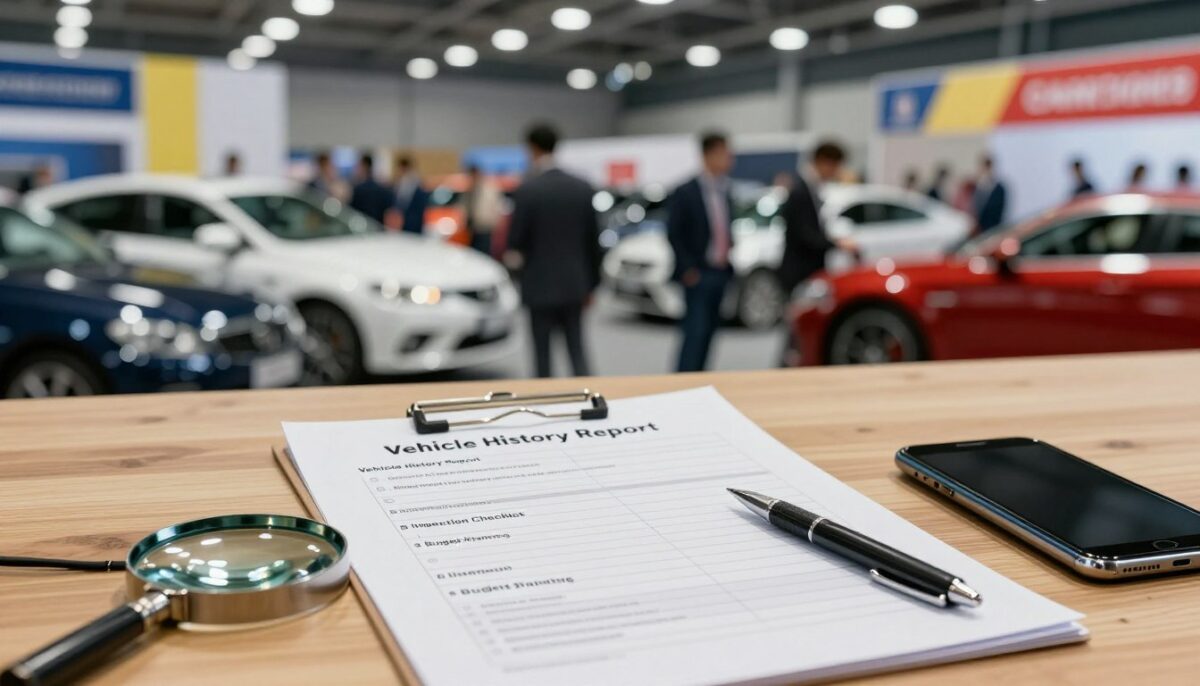
Getting ready for a car auction means doing your homework and planning ahead. A detailed car auction preview checklist is key to making smart choices and avoiding pitfalls.
Before diving into a car auction, focus on key research areas. This will boost your chances of success.
Essential Vehicle Research Steps
- Obtain complete vehicle identification numbers (VINs)
- Purchase detailed vehicle history reports
- Check for previous accidents and title brands
- Verify odometer readings and ownership history
- Research market values using reliable pricing guides
Comparing Auction Platforms for Fees and Rules
When looking at different auction platforms, it’s crucial to examine the details. This helps understand the total cost of the transaction.
| Comparison Criteria | What to Evaluate |
|---|---|
| Buyer Premium | Percentage ranges (3-10%) |
| Payment Requirements | Deadline timeframes |
| Title Delivery | Processing time (7-45 days) |
| Arbitration Policy | Mechanical issue windows |
Success in car auctions comes from thorough preparation. Make a spreadsheet to track platform rules, fees, and needs. This will help you plan your bidding strategy better.
- Calculate total transaction costs
- Understand platform-specific bidding rules
- Review inspection and arbitration policies
- Assess customer support accessibility
Is It Worth Traveling for a Car Auction vs Online
Choosing between attending a car auction in person or bidding online requires a thorough cost-benefit analysis. The decision hinges on the vehicle’s value, the type of auction, and the risks of buying remotely.
When weighing the pros and cons of attending a car auction in person versus online, consider these critical factors:
- Vehicle value threshold
- Inspection capabilities
- Travel expenses
- Risk of undisclosed damage
Scenarios Favoring Physical Attendance
Physical attendance is more beneficial under certain conditions. Vehicles worth over $8,000 usually require an in-person inspection. Specialty vehicles, such as classics or modified cars, need direct evaluation to accurately assess their condition.
| Auction Type | Recommended Approach | Cost Considerations |
|---|---|---|
| High-Value Vehicles ($8,000+) | Physical Attendance | Travel expenses offset potential hidden damage risks |
| Standard Vehicles ($3,000-$7,999) | Professional Inspection | Third-party review recommended |
| Budget Vehicles (Under $3,000) | Online Bidding | Minimal financial risk |
Online bidding is ideal for standard vehicles with detailed condition reports. Professional inspection services, costing $150-$300, can help reduce the risks of remote purchases. Auction houses that offer money-back guarantees provide extra protection for buyers.
How to Avoid Sketchy Too Good to Be True Car Auctions

Car auctions can be a minefield of potential scams. To avoid these, it’s crucial to conduct thorough research and screen potential auctions carefully. Fraudulent platforms often lure buyers with unrealistically low prices and false promises.
Protecting yourself begins with recognizing warning signs of fraudulent car auction platforms. Buyers should be on the lookout for several red flags that indicate an auction site is untrustworthy.
Critical Red Flags to Watch For
- Prices dramatically below market value (30-50% lower than typical listings)
- Demands for wire transfers to personal accounts instead of business accounts
- Lack of verifiable business licensing or physical address
- Aggressive pressure tactics pushing immediate payment
- Websites less than 12 months old
To avoid scams, buyers should conduct detailed background checks. It’s essential to verify the auction platform’s credibility. Check state business registrations, Better Business Bureau ratings, and search for online consumer complaints.
Protection Strategies for Smart Buyers
- Research the auction house thoroughly before registering
- Confirm legitimate business contact information
- Check for consistent, professional website content
- Verify vehicle details through independent VIN checks
- Avoid platforms demanding upfront fees or full payment before inspection
Smart buyers stay cautious of deals that seem too good to be true. Legitimate car auctions price vehicles 10-20% below retail value. This accounts for the vehicle’s condition and auction fees.
What Questions to Ask the Auction Staff Before Bidding
Preparing for a car auction requires strategic questioning to protect your investment. Knowing what questions to ask the auction staff before bidding can save you from costly mistakes and unexpected complications.
Before placing your bid, gather critical information by asking these essential questions:
- What is the exact buyer premium percentage?
- What payment methods do you accept?
- What are the payment and vehicle removal deadlines?
- How are title transfers handled?
- What are your post-sale arbitration policies?
Understanding the auction’s specific policies helps you make informed decisions. It’s crucial to investigate vehicle condition disclosure, inspection limitations, and potential additional fees.
| Question Category | Key Information to Request |
|---|---|
| Fees | Buyer premium percentage, storage fees, registration costs |
| Vehicle Details | Inspection permissions, damage disclosures, title status |
| Post-Sale Procedures | Payment deadlines, vehicle removal timeframes, arbitration policies |
Professional auction staff should provide clear, transparent answers to your questions. Document their responses in writing to protect yourself from potential misunderstandings or disputes.
Your goal in asking these questions is to minimize risks and ensure a smooth purchasing experience. Thorough pre-bidding research can prevent unexpected surprises and help you make a confident auction purchase.
Best Time to Buy at Auction: Seasonal Patterns
Grasping the optimal time to purchase at auction demands a deep dive into seasonal trends within the automotive sector. The winter season emerges as the most opportune period for auction-goers. From December to February, a notable decrease in buyer attendance opens up chances for acquiring vehicles at discounted rates.
Seasonal patterns unveil specific trends for auction buyers. The peak time to purchase at auction falls in winter, when dealers aim to clear out older inventory. January, in particular, offers a unique advantage, with prices potentially 8-15% below spring averages. This period allows astute buyers to leverage reduced competition and sellers eager to offload stock before year-end.
Spring and summer months witness a surge in auction activity, fueled by tax refunds and an influx of trade-ins. Buyers should be cautious from April to June, as increased competition can elevate prices by 10-18%. Fall, notably September and October, presents a secondary window for purchasing, with inventory levels soaring by 25-40% due to lease returns and model year changes.
Regional differences significantly influence auction seasonal patterns. Southern markets maintain consistent activity throughout the year, whereas northern auctions experience a more pronounced winter slowdown. Coastal areas may face inventory shifts post-hurricane seasons. To succeed, auction buyers must monitor inventory levels and 90-day price trends closely, pinpointing the best times to make a purchase.